Poison Ivy Removal in Harford County, MD
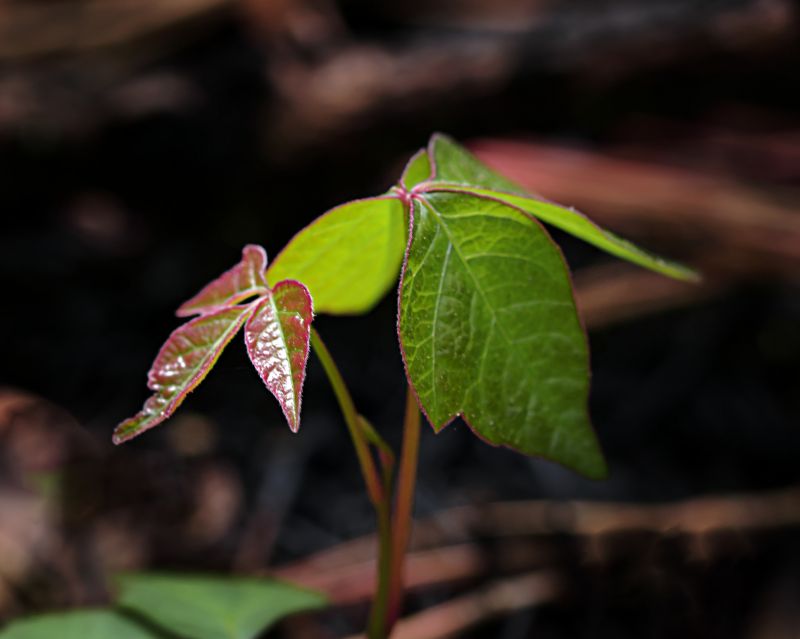
Poison ivy removal services focus on safely eliminating this common and potentially irritating plant from residential properties. These services typically cover a range of projects, including clearing overgrown areas, trimming back vines on trees and structures, and removing plants from lawns, gardens, and landscaping features. Homeowners often seek professional assistance to ensure thorough removal and to minimize the risk of skin irritation or allergic reactions caused by contact with the plant’s urushiol oil.
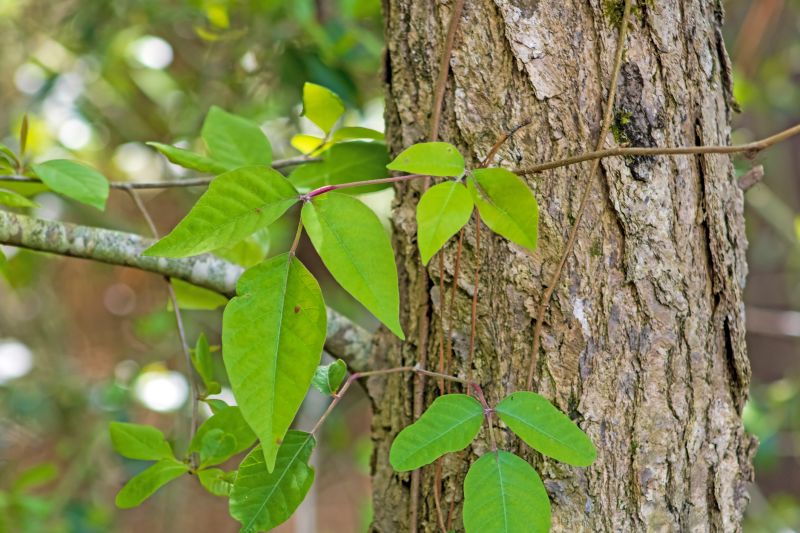
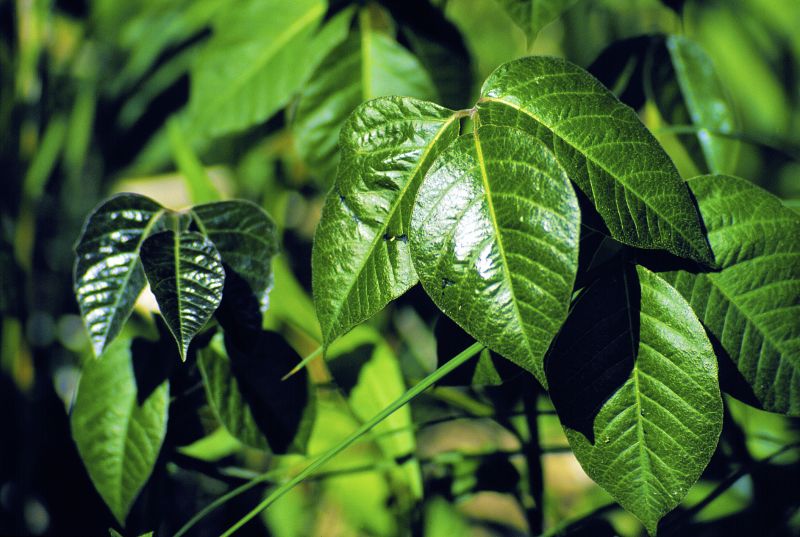
Before requesting poison ivy removal, property owners usually want to understand the scope of the work involved, including which areas will be treated and whether the removal process includes disposal of the plants. It’s also helpful to know if the service includes measures to prevent regrowth and to ask about any safety precautions taken during the removal process. Proper identification of the plant is important, as other native plants may resemble poison ivy, and accurate assessment ensures effective and safe removal.
Many property owners in Harford County, MD look into Poison Ivy Removal for repairs, replacements, upgrades, and appearance-related improvements.
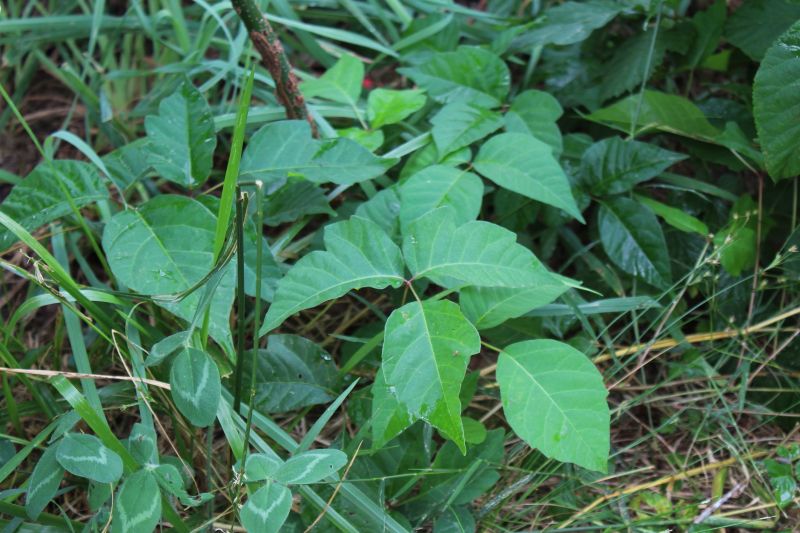
Poison Ivy Management
Effective removal helps protect families and pets from skin irritation and allergic reactions.
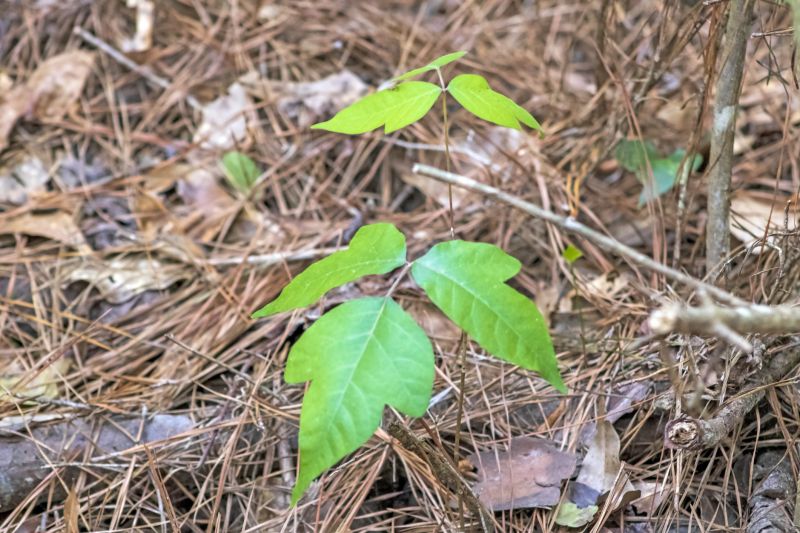
Property Preservation
Removing poison ivy reduces overgrowth and maintains a safe, tidy landscape around homes and commercial properties.
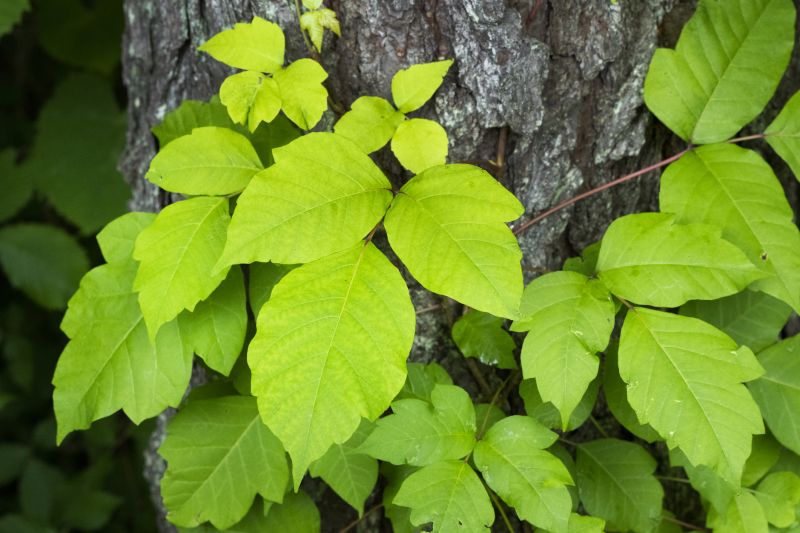
Landscaping Safety
Proper removal minimizes the risk of vine spread to trees, shrubs, and other plants in harford county, md.
Poison Ivy Removal in Harford County, MD
Poison ivy removal services focus on safely eliminating this common and potentially irritating plant from residential properties. These services typically cover a range of projects, including clearing overgrown areas, trimming back vines on trees and structures, and removing plants from lawns, gardens, and landscaping features. Homeowners often seek professional assistance to ensure thorough removal and to minimize the risk of skin irritation or allergic reactions caused by contact with the plant’s urushiol oil.
Before requesting poison ivy removal, property owners usually want to understand the scope of the work involved, including which areas will be treated and whether the removal process includes disposal of the plants. It’s also helpful to know if the service includes measures to prevent regrowth and to ask about any safety precautions taken during the removal process. Proper identification of the plant is important, as other native plants may resemble poison ivy, and accurate assessment ensures effective and safe removal.
Many property owners in Harford County, MD look into Poison Ivy Removal for repairs, replacements, upgrades, and appearance-related improvements.
Common Poison Ivy Removal Jobs
Poison Ivy Removal Questions
What is poison ivy removal? Poison ivy removal involves safely eliminating the plant from a property to prevent skin irritation and damage to landscaping.
When should poison ivy be removed? Removal is recommended when poison ivy is growing in high-traffic areas, near walkways, or where it poses a risk to people or pets.
What methods are used for poison ivy removal? Techniques include manual removal, herbicide application, and root clearing to ensure complete elimination of the plant.
Is poison ivy removal safe for my landscape? Yes, professional removal methods are designed to target the plant while minimizing impact on surrounding plants and soil.
Request Poison Ivy Removal in Harford County, MD
Use the quote form on this page to share the basics of your project and request more information for the type of work you need.